

Why Hiring a Professional Fence Installer is Essential for Your Hanover PA Property
- brandon bowlin
- Jan 13
- 3 min read

Installing a fence is more than just adding a boundary around your property. It protects your family, enhances your home’s appearance, and can even increase your property value. But the key to getting these benefits lies in how well the fence is installed. Choosing a professional fence installer in Hanover, PA ensures your investment stands strong for years to come. This article explains why professional installation matters and what you should expect when working with experts.
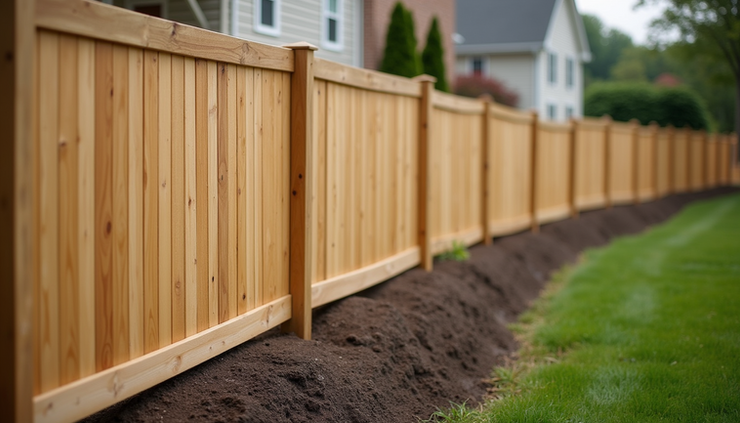
Fence Installation Requires More Than Just Putting Up Posts
Many homeowners think fence installation is simple: dig holes, set posts, attach panels, and done. The reality is far more complex. Soil type, terrain slope, drainage, and local weather conditions all affect how a fence performs over time. A professional fence installer understands these factors and plans accordingly.
For example, in Hanover’s climate, frost can cause ground movement. Professionals set posts below the frost line to prevent shifting and leaning. They also make sure panels are level and aligned, even on uneven ground. Using the right hardware and materials helps avoid rust, sagging, or warping.
Without this expertise, a fence might look fine at first but fail prematurely. A poorly installed fence can lean, sag, or even collapse within a few years. A professionally installed fence can last 20 years or more, saving you money and hassle in the long run.
Handling Permits, HOA Rules, and Property Lines
Many homeowners in Hanover and York County don’t realize that fences often require permits or approval from homeowners associations (HOAs). Ignoring these rules can lead to fines, forced removal, or costly delays.
Professional fence installers handle these details for you. They:
Obtain township permits
Communicate with HOAs to get approvals
Ensure fences meet setback and height requirements
Verify property boundaries to avoid disputes
This process protects you from legal headaches and unexpected expenses. It also speeds up the project since you don’t have to navigate complex paperwork yourself.
Choosing the Right Fence Material for Your Needs
Every property and homeowner has different needs. A professional installer helps you select the best fence material based on your goals, budget, and property conditions. Here are some popular options:
Vinyl fencing: Requires little maintenance and offers excellent privacy. It resists weather damage and doesn’t need painting.
Aluminum fencing: Lightweight and modern, ideal for pool areas or decorative borders. It won’t rust and has a clean look.
Chain link fencing: Cost-effective and durable, good for security or enclosing pets. It’s less private but very practical.
A professional installer will explain the pros and cons of each material and recommend what fits your property best. This guidance prevents costly mistakes like choosing a material that doesn’t hold up well in local weather or doesn’t meet HOA rules.
The Value of Experience and Quality Workmanship
Experience matters when it comes to fence installation. A company with a long track record in Hanover knows the local soil, weather, and regulations. They have the right tools and trained crews to do the job efficiently and correctly.
For example, D2K Fence & Landscape has over 20 years of experience helping homeowners and businesses in the area. Their crews know how to handle tricky terrain and ensure fences remain sturdy for decades. They also stand behind their work with warranties and customer support.
Hiring a professional means you get:
Accurate measurements and layout
Proper post depth and concrete setting
Quality materials and hardware
Clean, neat installation with attention to detail
Timely project completion
These factors combine to give you a fence that looks great and performs well for years.
Protecting Your Investment with Maintenance Advice
A professional installer doesn’t just build your fence and leave. They provide advice on how to maintain it properly. For example, wood fences need periodic staining or sealing to prevent rot. Vinyl fences should be cleaned occasionally to keep them looking new. Aluminum fences may require checking for loose screws or damage after storms.
Getting this guidance helps you avoid costly repairs and extends the life of your fence. It also ensures your property stays safe and attractive.


Comments